Simple, Science-Backed Ways to Build Emotional Strength from Babyhood

As parents, we all want to raise more resilient children who feel confident, secure, and able to face life’s ups and downs. Resilience is what helps them do just that—cope with challenges, adapt to changes, and recover from setbacks. But how can we help our children develop to be more resilient from a young age?
At Baby College®, we know that emotional strength starts developing right from birth. Resilience isn’t something a child either has or doesn’t have—it’s something that grows through everyday interactions with loving adults and supportive environments.
What is Resilience?
Resilience is the ability to adapt well in the face of adversity, trauma, stress, or even everyday difficulties like a scraped knee or a missed nap. For babies and toddlers, this means developing a sense of emotional safety and confidence in the world around them. The key building blocks to be more resilient are trust, emotional regulation, and positive relationships.
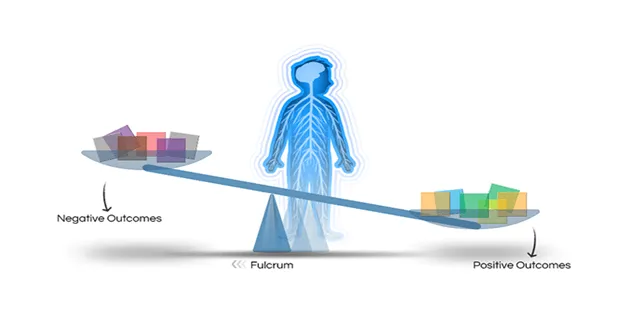
Science tells us that early experiences literally shape the brain. In the first few years of life, the brain forms more than one million new neural connections every second. During this time, a child’s brain is especially sensitive to their environment—for better or worse. Stressful or traumatic experiences can negatively affect the developing brain, but loving, stable relationships help to buffer these effects and even promote growth and repair.
The Most Important Protective Factor
According to child development researchers, the single most powerful factor in building resilience is at least one strong, stable relationship with a supportive adult. This could be a parent, grandparent, or another consistent caregiver.
These relationships provide what Harvard’s Center on the Developing Child calls “serve and return” interactions—moments when a baby or child ‘serves’ by reaching out (with a cry, a look, or a word) and the adult ‘returns’ by responding appropriately. Over time, these exchanges help to strengthen brain architecture and build the social-emotional skills that form the foundation of resilience.
As Professor Philip Fisher puts it:
“The presence of a supportive, consistent and protective primary caregiver, especially when the underlying stress systems are activated, makes the biggest difference in healthy development.”
This quote is taken from a powerful summary by the Center on the Developing Child at Harvard, which explores how resilience develops through relationships and skill-building.
👉 Read the full research brief here
This aligns closely with the insights in our Baby College® resilience handout, co-authored by developmental psychologist Dr Nina Politimou (UCL). Our handout focuses on early cognitive and emotional development and how resilience begins to take shape in infancy through nurturing environments, secure relationships, and rich early experiences.
5 Simple Ways to Help Your Child Build Resilience
These gentle strategies can help even very young children start to develop coping skills and emotional strength:
1. Be Their Safe Base
Responding with warmth and consistency helps your baby feel secure. This sense of safety allows children to explore, try new things, and take age-appropriate risks—important behaviours for building confidence and becoming more resilient.
2. Stick to Comforting Routines
Regular routines help children predict what will happen next. This gives them a sense of control in a world that can often feel overwhelming, especially during times of change.
3. Let Them Face Small Challenges
It’s natural to want to protect our children, but they become more resilient when they’re allowed to experience and overcome minor setbacks. Give them space to try (and even fail), and offer encouragement and support as they learn to problem-solve.
4. Talk About Feelings
Young children may not always have the words to express big emotions. Help by naming feelings for them (“That made you feel cross”) and showing them that feelings come and go, and can be managed safely.
5. Model Resilience Yourself
Children learn so much by watching us. If something goes wrong, try talking through your own coping strategies out loud: “That didn’t go the way I wanted, but I’m going to take a deep breath and try again.” This kind of modelling teaches healthy emotional responses.
Some Science-Based Extras
Studies show that in addition to secure relationships, other protective factors include:
-
A sense of control: Letting children make choices (even small ones like choosing a toy or snack) helps build confidence.
-
Self-regulation skills: Games that involve taking turns, waiting, or stopping (like “What’s the time, Mr Wolf?”) help children practise impulse control and flexible thinking.
-
Cultural and community support: Stories, rituals, and values passed through family traditions can also provide strength and reassurance during tough times.
And remember: not all stress is harmful. In fact, a little bit of stress—in the form of manageable, age-appropriate challenges—is good for building resilience. What matters most is that children have adults who can help them understand and manage those experiences.
Resilience in Action at Baby College®
In every Baby College class, we incorporate bonding, movement, and play activities that support these core skills and help your child become more resilient. Whether it’s a fun turn-taking game, a soothing cuddle song, or just the gentle rhythm of a familiar routine, you’re helping your child grow strong from the inside out.
You might be building resilience already—just by showing up, singing, and playing together. And what a brilliant start that is. 💛