Nurturing Creativity in Babies and Toddlers
Creativity in a baby rarely looks like art. It looks like grasping, chewing, squishing and pounding, the whole-body exploration that comes before anything you would recognise as making something. That exploration matters in its own right. It is how a baby begins to think, engage, and problem-solve.
For babies, creativity grows out of everyday interaction. The way you soothe, amuse or gently surprise your baby all feed into it. Bright, textured cushions, objects that make an interesting sound, even a foot-operated toy that lets your baby play independently for a moment, all of it builds curiosity and self-directed focus over time.
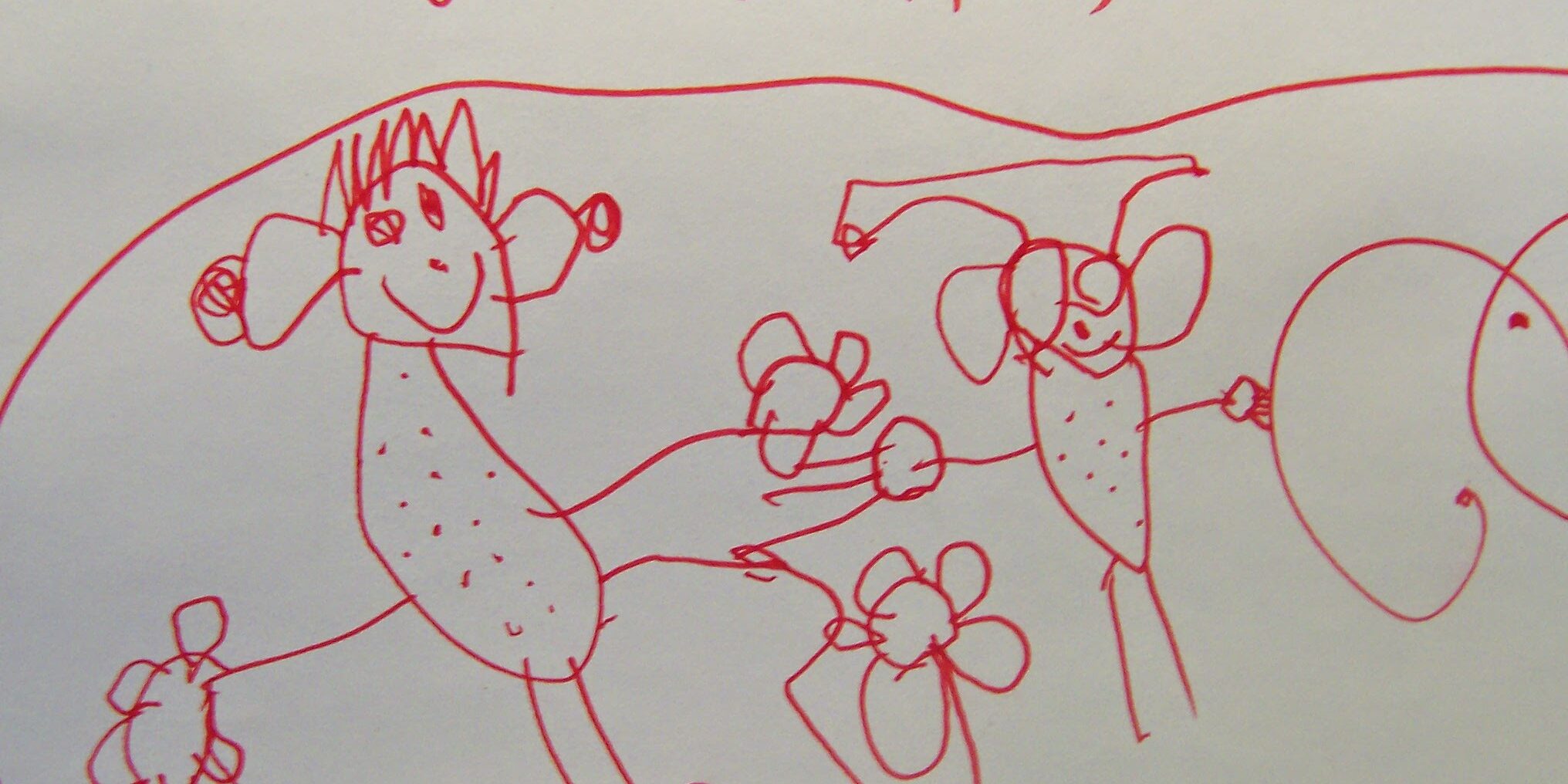
By the toddler years, scribbling begins, usually disordered at first, since a toddler’s movements come from the shoulder rather than the wrist. Gradually, as coordination develops, those scribbles become more controlled. A meaningful shift happens when your toddler starts naming her scribbles. That is the moment she has begun to think in pictures, connecting what is on the page to something real.
Music plays its own part. Babies are natural listeners, and singing slows language down just enough for a baby to follow along, building vocabulary long before she understands the words themselves. Watching your baby and mirroring what she does, clapping if she claps, rolling if she rolls, builds confidence and connection at the same time. Homemade instruments, a shaker of dried rice, a saucepan drum, are just as valuable as anything bought from a shop, and let your toddler communicate feelings before she has the words for them.
Creativity, at this age, is a process rather than a product. The finished picture matters far less than the experience of making it. Your enthusiasm for what your child creates, however messy or brief, is what encourages her to keep exploring.