Why Child Balance Development Matters
More and more teachers are raising the alarm: children are entering school with poor posture, clumsy movements, and difficulty sitting still. It’s a growing concern, and one possible reason could be delays in child balance development.
A key part of balance is the vestibular system, located deep in the inner ear. It works alongside the visual and proprioceptive systems to help us stay upright, control our movement, and focus our eyes. It supports everything from crawling and walking to writing and sitting still in a classroom.
But here’s the crucial part: vestibular development in children only happens through movement.
🌀 Balance is not something we are born with – it’s something we learn.
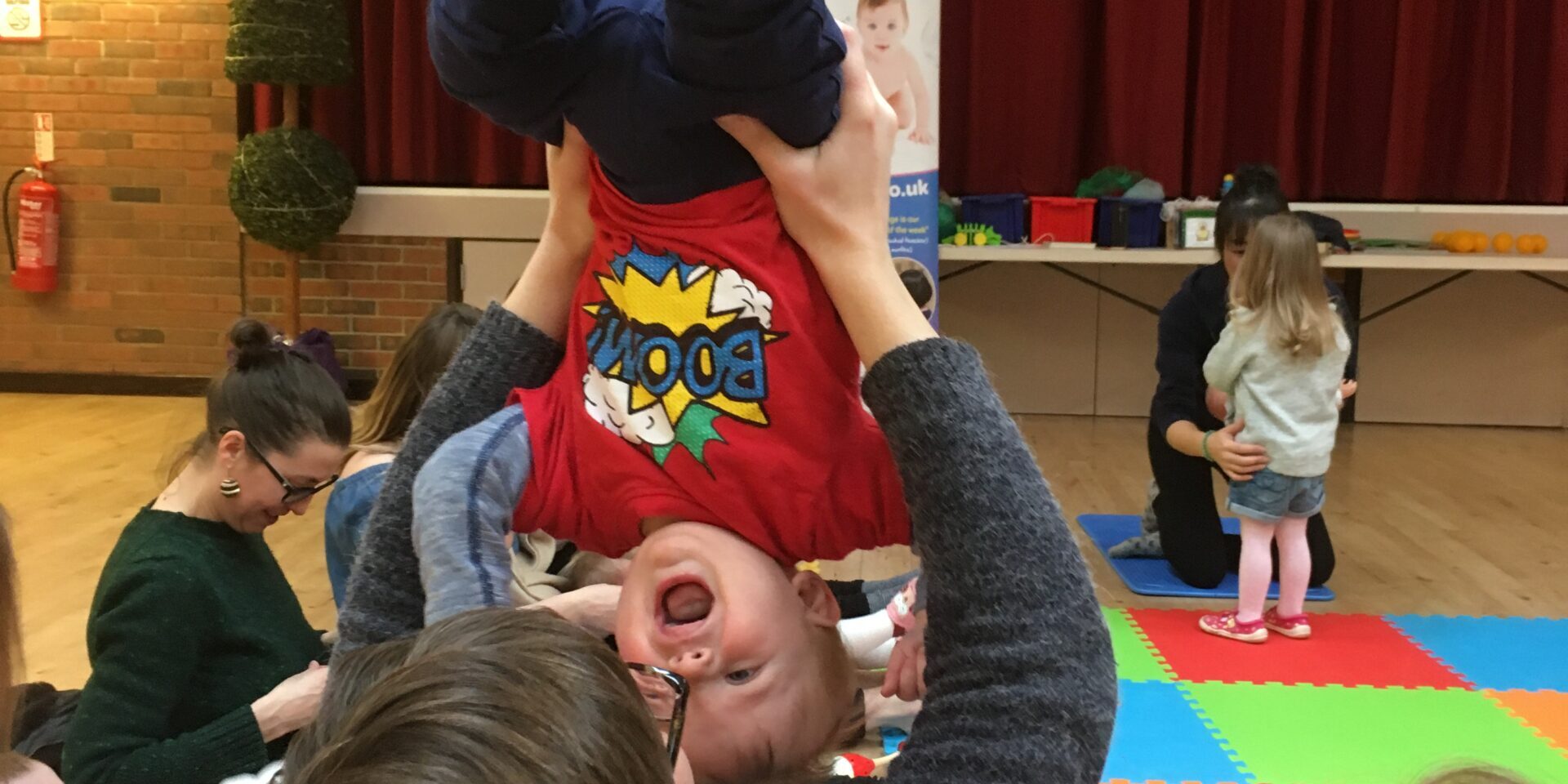
Children need varied movement experiences to train their vestibular systems: spinning, bouncing, jumping, crawling, swaying, and swinging. Without regular opportunities to move in all directions, balance systems can remain immature. The result? Children may appear fidgety, uncoordinated, or struggle with attention and motor control.
At Baby College, we don’t tend to see this trend in the same way – because our classes are filled with the kinds of activities that support healthy child balance development. From babies to juniors, we gently stimulate the vestibular system with dancing, rolling, spinning, and stop/start games – all designed to support posture, coordination, and confidence.
Unfortunately, outside structured sessions like ours, many children today are moving less. Longer periods in car seats, less outdoor play, and more time on screens mean their balance systems may not be getting the workout they need.
💡 Vestibular development in children continues until at least age 7 – and even into puberty.
So it’s never too late to support it, but the earlier we start, the better.
Signs of immature child balance development may include:
-
Clumsiness or frequent falls
-
Low muscle tone or poor posture
-
Difficulty sitting still or focusing
-
Sensory-seeking or constant movement
-
Avoidance of physical play or confidence issues
These signs can sometimes be linked with learning difficulties like dyspraxia or dyslexia, though the vestibular system is only one part of a much bigger picture.
The good news? Movement is a simple and powerful tool. Supportive environments – like those we create at Baby College – give children the chance to develop strong balance systems that underpin learning, social skills, and physical confidence.
Let’s keep children moving – for their health, happiness, and future learning.
-
NHS – Overview of Developmental Coordination Disorder (Dyspraxia)
This supports the section where you mention clumsiness and coordination issues possibly linked to vestibular immaturity.
👉 https://www.nhs.uk/conditions/developmental-coordination-disorder-dyspraxia/ -
Fun Exercises to Stimulate your Baby or Toddler’s Vestibular System
https://babycollege.co.uk/baby-or-toddlers-vestibular-system/