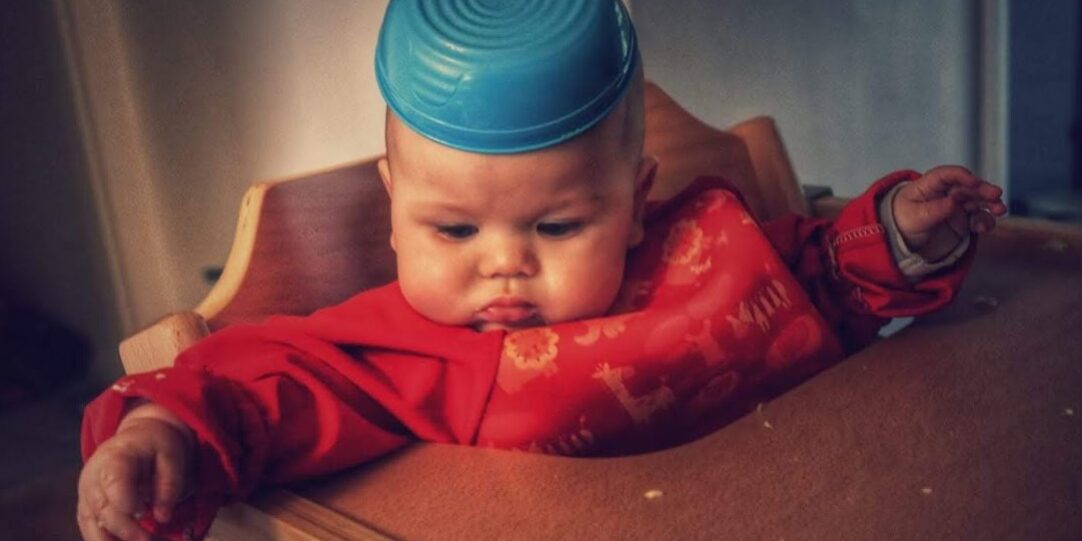
Your Baby’s Relationship with Food Starts Earlier Than the First Spoonful
Feeding a baby is one of the things parents worry about most, and one of the areas where the gap between expectation and reality tends to be widest. The good news is that most of what looks like a problem is actually normal development.
When to start
Current guidance recommends introducing solid foods at around six months, when babies are developmentally ready – sitting with support, showing interest in food, and able to move food to the back of the mouth and swallow. Starting before four months is not recommended. Between four and six months is a grey area, and the signs of readiness matter more than the calendar.
The idea that a baby waking at night is ready for solids is a myth. Night waking at this age is developmental, not nutritional.
Spoon feeding or baby-led weaning?
Both work. A review published in 2026 found that baby-led weaning – letting babies self-feed finger foods from the start – supports healthy eating habits and infant autonomy, and a separate study found it was associated with lower rates of fussy eating in toddlers aged two to five. That does not make it the only valid approach. Many families use a combination, offering both purees and soft finger foods, which is perfectly sensible.
What matters more than the method is the atmosphere. Mealtimes that are relaxed, exploratory, and free of pressure give babies and toddlers the best chance of developing a healthy relationship with food.
What normal looks like
A baby or toddler who refuses a new food is not being difficult. They may need to see that food ten or more times before accepting it – this is called food neophobia, and it typically appears between 18 and 24 months. It is a developmental milestone, not a character flaw.
A toddler who will only eat one food for a week (known as a food jag) is asserting independence, not going hungry. A toddler who eats a large lunch and almost nothing at dinner is responding to their appetite, not being awkward.
Children are remarkably good at regulating how much they eat when they are not pressured to finish plates or rewarded for eating. The research on this is consistent: pressure tends to make fussy eating worse, not better.
Practical things that help
Eat together when you can. Babies learn by watching, and a family mealtime is one of the best learning environments going.
Keep offering foods that are refused without comment or visible frustration. Neutral persistence works far better than enthusiastic pressure.
Offer a variety of textures and flavours from early on, including bitter vegetables like broccoli and spinach. Early exposure to a wide range really does make a difference later.
Do not add salt to food prepared for babies, and avoid honey before twelve months.
At Baby College
Food is discussed across the programme because eating is connected to everything – fine motor development, sensory processing, social learning, and independence. If you have questions about weaning, fussy eating, or what normal looks like at your baby’s stage, your Baby College teacher is a great place to start.