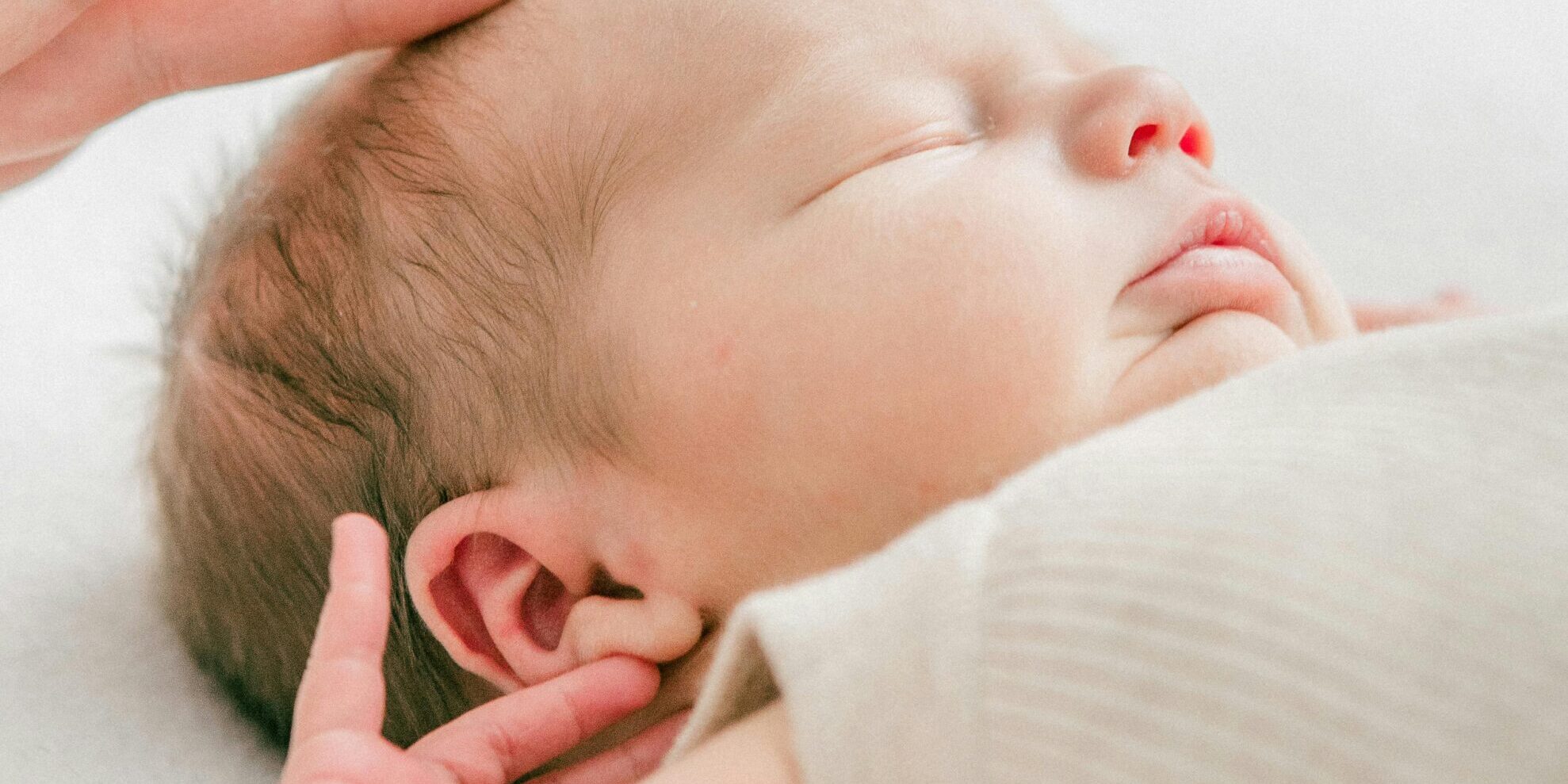
Guest Article. The third of a series of articles written for Baby College all about Baby Sleep
Understanding Sleep Changes in Babies: Debunking the Myth of Sleep Regressions🌙
(This article was written for Baby College by Emma Gawne, Sleep Consultant with Help Baby Sleep and Resident Baby Sleep Expert for Inspiring Parents UK, our national Facebook Support Group)
Have you ever felt like your baby’s sleep suddenly took a nosedive, leaving you bewildered and anxious? You’re not alone. The concept of sleep regressions is deeply ingrained in parenting lore, yet understanding what’s truly happening with your little one’s sleep patterns can help alleviate some of that anxiety.
Frequently, I witness firsthand the distress that the idea of sleep regressions can cause, and often parents are worrying even when there are no apparent changes to their little one’s sleep. However, it’s essential to recognise that the term “sleep regression” may not accurately describe what’s happening with your baby’s sleep.
So, let’s unpack this myth.
What Exactly Are Sleep Regressions?
The term sleep regression is typically used to describe periods when infants or children who were previously sleeping well experience disrupted sleep. This disruption may manifest as difficulty falling asleep, frequent awakenings, or changes in behaviour such as fussiness. The term tends to get attached to certain specific ages: 4, 8, 12, 15, and 18 months. The big problem is that it leads people to expect sleep disruption at these times only.
However, it’s crucial to understand that the term regression implies a loss of previously acquired skills, which is not the case with changes in sleep patterns. In fact, sleep is a biologically driven state that babies naturally achieve without needing to be taught.
Dispelling the Myth: Why Sleep Patterns Change
Rather than viewing sleep disruptions as regressions, it’s more helpful to see them as natural fluctuations influenced by various factors. For instance, periods of rapid growth, developmental milestones like learning to crawl or walk, teething, illness, or changes in the child’s environment can all affect sleep patterns.
A recent study by Damsey and colleagues found that learning to walk, in particular, can significantly disrupt a child’s sleep. This disruption occurs because the same brain regions involved in mastering motor skills during the day are also active at night, potentially leading to more frequent awakenings and less overall sleep.
Understanding Regulation: A Game Changer
Central to managing sleep disruptions is understanding regulation—the ability to self-calm and regulate emotions. Babies and young children have limited self-regulation capabilities and rely on caregivers to help them regulate. When they’re more dysregulated, they require more co-regulation from adults.
Therefore, rather than obsessing over sleep, focusing on regulation can be transformative. Recognise that play is the “work” of childhood. If children are busy figuring out how to crawl, wave goodbye, or play with their new toy, they have more on their minds. When they are more dysregulated, they need more co-regulation.
So why do some children experience more profound disruption to their sleep?
- Some children are naturally calmer, more resilient, and easier-going due to a combination of genetics and environment.
- Some are naturally more sensitive from the word go, some are neurodivergent, and some are uncomfortable or unwell.
In short, some children, for a variety of reasons, find life harder than others. Add in a developmental change, an added stressor, additional challenges, or health problems, and some children will naturally have a harder time.
I would like you to throw out the ideas of progressions or regressions.
So, What Can You Do When Your Little One’s Sleep Starts to Look a Bit Funky?
Here are four key tips to consider:
- Review Your Child’s Sleep Against Average Sleep Needs for Their Age and Adjust Accordingly: Sleep needs change over time. At a time of sleep change, you want to be open-minded and consider low and high as well as average sleep needs. Do they need to drop a nap? Do they need a power nap to bridge the gap between three naps and two naps? Do they need bedtime adjusting?
- Reflect on Any Changes in Your Child’s Environment or Family Dynamics That May Be Impacting Their Sleep.
- Consider Your Own Regulation as a Caregiver, as Your State of Mind Can Play an Integral Role in Your Child’s Ability to Regulate.
- Focus on Promoting Calmness Rather Than Fixating on Sleep Itself, as Anxiety Can Exacerbate Sleep Issues.
By debunking the myth of sleep regressions and reframing our understanding of sleep disruptions, we can approach our children’s sleep with greater clarity and confidence. Remember, every child is unique, and their sleep patterns will fluctuate over time. By prioritising regulation and understanding their individual needs, we can help them—and ourselves—navigate these changes more smoothly.
Emma Gawne
HelpBabySleep
www.helpbabysleep.co.uk

Message from Emma
Help Baby Sleep, baby sleep consultant, is here to help guide you and your baby to a better night’s sleep.
My goal is to give parents back their confidence and wellbeing. I support you by finding gentle and well balanced solutions to help you with your little one’s sleep.
So that you can get some too.

Message from Baby College

New parents: Remember, you’re not alone in this journey! Join our supportive community at Inspiring Parents UK or join us at a Baby College class near you where you can seek advice from fellow parents and sleep experts