

Start As We Mean To Go On
Christopher Stockwell wrote a piece this week for Cotswolds Arts Through Schools, “The £24 Billion Lesson We Are Refusing to Learn”. He describes watching children written off as difficult come alive in an African drumming class, and asks why we wait until school to invest in what makes children thrive. It is a piece every parent and early years professional should read, and it started me thinking about how much earlier that investment could begin.
He points to a report doing the rounds this month from the Centre for Social Justice. It shows the number of children with Education, Health and Care Plans has more than doubled since 2015, and the cost of SEND support has hit £24 billion a year. GPs polled for the report say diagnostic boundaries have widened. Headteachers say screens are breaking children’s brains before they even reach school. The outgoing Children’s Laureate says a generation has lost the habit of singing, playing, and making things with their hands.
It is a bleak read. But it is not a new problem. It is one we could have caught much earlier.
By the time a struggling five year old reaches a school gate, years of habits are already set. What they have been shown, what they have been given to do with their hands and bodies, how much of their day has been screen and how much has been song, touch, movement, and another person’s face. Schools are being asked to fix, at great expense, what could have been built well from the start.
This is where we come in.
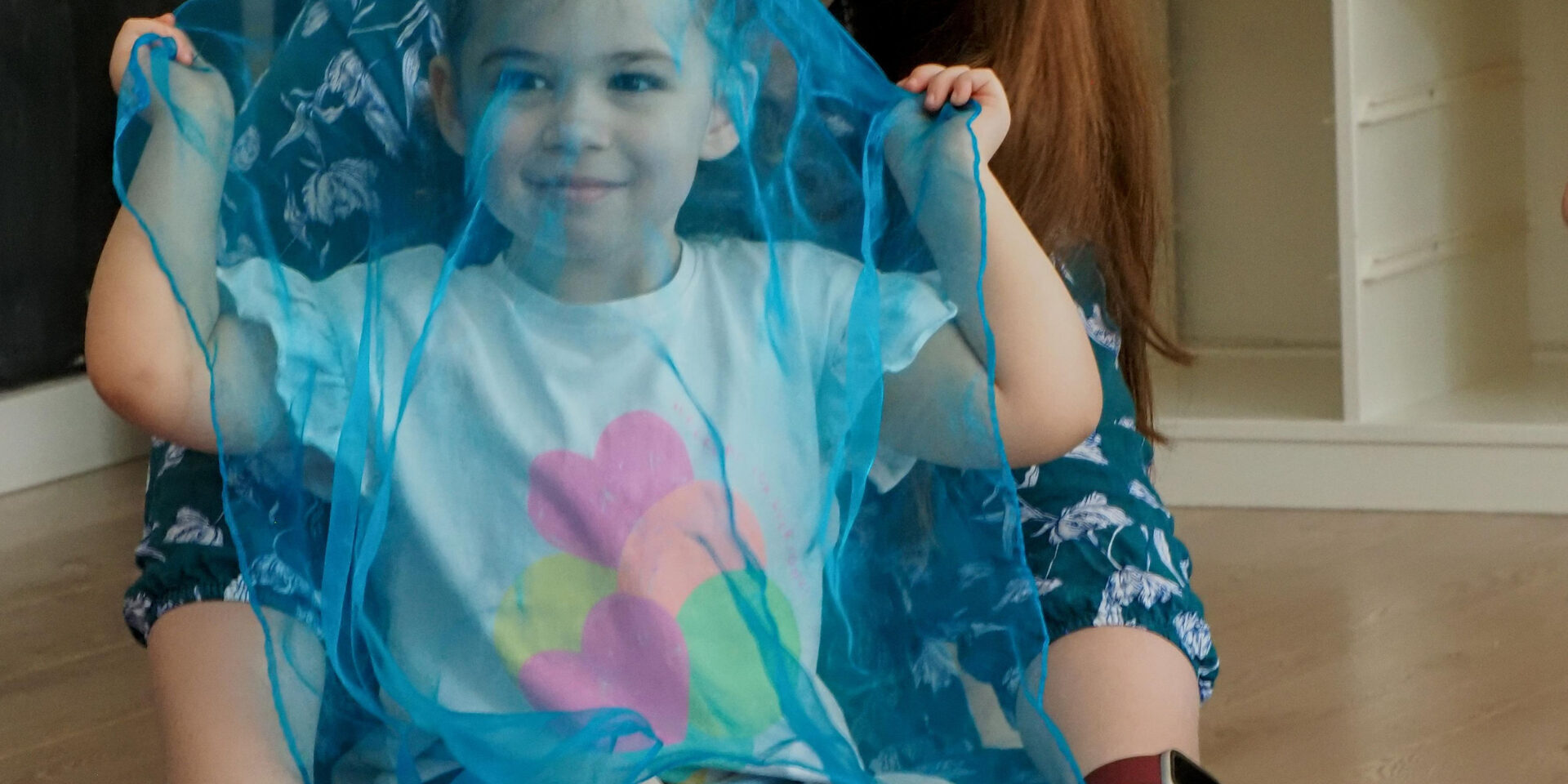
Every Baby College class is a non-screen hour. Sensory play, massage, music, movement, all of it face to face, body to body, parent and baby working things out together. No app can replicate a baby tracking their mother’s face while she sings, or a toddler learning to wait their turn for the parachute game. These are not small things. They are the early architecture of attention, regulation, and connection that everything else gets built on.
We are training grown-ups, not just entertaining babies. A parent who understands what is happening behind their baby’s eyes, why the meltdown at eighteen months is development and not defiance, why turn taking in a toddler class matters more than the toy itself, is a parent who carries that understanding home. That is the multiplier. We see a family for an hour a week. What they do with the other 167 hours is where the real difference gets made, and that is exactly why building parental confidence and understanding is at the heart of what we do.
Early is cheaper and it is kinder. The CSJ report notes the average cost of an independent special school placement is £61,500 a year. Nobody is suggesting Baby College is a substitute for genuine additional needs, and we would never claim that. But investment in the earliest years, in connection, movement, and confident parenting, is the cheapest and kindest intervention there is. We are not waiting for a five year old to be identified as struggling. We are building the foundations at nine weeks old.
The African drumming class Christopher describes worked because it gave children something purposeful to do with their bodies and their imaginations, and for forty minutes nobody was singled out. That is exactly what happens in a Baby College session, just five years earlier in a child’s life. A baby doing tummy time to music, a toddler waiting their turn in a group game, a parent learning to read their child’s cues instead of reaching for a phone. Start there, and you are a long way ahead by the time school begins.
We did not wait for a government white paper to tell us the early years matter. Twenty-six years of Baby College families are proof of what happens when you start as you mean to go on.
You can read Christopher’s full piece at cotswoldsartsthroughschools.com/the-24-billion-lesson-we-are-refusing-to-learn, and find out more about the brilliant work of Cotswolds Arts Through Schools at cotswoldsartsthroughschools.com.
#babycollegefamily


