The Importance of (and common myths about) Crawling for Toddlers—Even After They Start Walking
And Why Skipping This Milestone Isn’t the End of the World
Crawling is often seen as one of the major developmental milestones—right alongside saying that first word or taking those first steps. But what if your baby goes straight to walking without ever crawling? Or why might your toddler still benefit from a bit of crawling time, even after they’ve mastered walking? In this post, we’ll explain why crawling is considered beneficial, dispel common myths (like the idea that not crawling might cause dyslexia or dyspraxia), and reassure you that it’s perfectly normal for babies to have different developmental paths.
1. Why Is Crawling Considered Important?
1.1 Building Gross Motor Skills
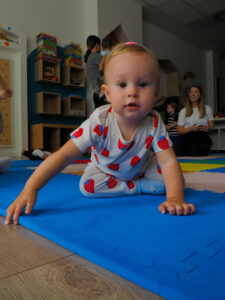
Crawling helps strengthen the arms, legs, and core muscles, laying an excellent foundation for future motor activities. Babies learn to balance on their hands and knees, push themselves forward, and support their own weight—all crucial elements in developing gross motor skills.
1.2 Coordination and Cross-Body Movement
When babies crawl, they typically move one hand forward at the same time as the opposite knee (cross-lateral movement). This pattern is often praised for encouraging the left and right sides of the brain to “talk” to each other, supporting coordination and balance. In the long term, these skills can contribute to activities like running, dancing, or climbing.
1.3 Enhancing Spatial Awareness
As babies crawl, they gain a unique perspective on their environment. They learn to judge distance, avoid obstacles, and refine their depth perception. This spatial exploration can also help boost hand-eye coordination and general problem-solving abilities.
2. Why Crawling Can Still Help Toddlers After They Start Walking
It’s easy to assume that once your child starts walking, crawling no longer matters. However, there are still some benefits:
- Strengthening Upper Body Muscles: Crawling continues to develop shoulder, arm, and upper back strength, which can be useful later for tasks like climbing or even helping with posture when sitting at a desk.
- Refining Coordination: The same cross-lateral pattern that helps babies in earlier stages can continue to fine-tune overall coordination.
- Fun and Exploratory Play: Some toddlers enjoy crawling games—like pretending to be different animals—which can keep them engaged and active, especially in safe indoor environments.
3. Is It a Problem If Your Baby Didn’t Crawl Before Walking?
Parents sometimes worry that skipping crawling entirely may be a red flag for future issues. But the truth is:
- Babies Develop Differently: Some babies shuffle on their bottoms, some do a ‘commando crawl,’ and others just pull themselves up and go straight to walking.
- No ‘One-Size-Fits-All’ Path: While crawling has benefits, it’s not the only route to building strength or coordination skills. Babies who skip crawling often find other ways to achieve similar developmental goals.
- Timing Varies: Some babies don’t crawl until much later, and some hardly crawl at all. If they otherwise meet milestones (like interacting, babbling, or eventually walking), this variation is typically normal.
4. Addressing the Myth: “Not Crawling Causes Dyslexia or Dyspraxia”
A common concern is that babies who skip crawling are at higher risk for dyslexia, dyspraxia, or other learning difficulties later in life. This misunderstanding often stems from mixing up correlation with causation.
- Correlation simply means two things happen together or within the same group (e.g., some children with dyslexia also have a history of limited crawling).
- Causation means one thing directly causes the other. For “not crawling” to cause dyslexia, you’d expect nearly all non-crawlers to develop dyslexia and vice versa—which simply isn’t supported by research.
4.1 The Reality
- No Direct Causal Connection: Current evidence does not support the idea that skipping crawling causes dyslexia, dyspraxia, or other learning challenges.
- Complex Factors: Conditions like dyslexia often have genetic, neurological, and environmental components. Not crawling is not considered a primary factor.
Reference:
– Dyslexics. org: Myths about Dyslexia Room 101
– For a nuanced view of developmental milestones and learning issues, you can also consult resources such as Developmental Medicine & Child Neurology
5. What Parents Can Do
5.1 Encourage Crawling—But Don’t Force It
If you’d like to encourage crawling, you can create a safe and fun space for your child to move on the floor, place interesting toys just out of reach, or engage in playful “crawl-along” games. But if your baby prefers standing or walking, don’t worry—they’re just exploring a different way of moving.
5.2 Provide Floor Time and Exploration Opportunities
Floor time helps babies experiment with movements, whether that’s rolling, scooting, or crawling. Offer different textures or soft obstacles to promote curiosity and motor skill use.
5.3 Talk to a Healthcare Professional If Concerned
If your baby is missing multiple milestones or you have specific concerns about their motor or cognitive development, speak with a healthcare provider. In the UK, this might be your GP, health visitor, or a pediatric specialist. They can guide you or offer referrals if needed.
5.4 Celebrate All Forms of Movement
Every child’s journey is unique. Encouraging a positive and supportive environment, where all attempts at mobility are celebrated, can boost your baby’s confidence and interest in further exploration.
Reference:
– NHS: When to see your GP or health visitor
6. Takeaways for Reassured Parents
- Crawling Is Beneficial: It helps with coordination, muscle strength, and spatial awareness.
- It’s Not the End of the World If They Skip: Babies who skip crawling are not automatically at risk for dyslexia or dyspraxia.
- Correlation ≠ Causation: Seeing a pattern of non-crawlers in a group with dyslexia does not mean one causes the other.
- Unique Paths: Each child follows a developmental path that is right for them.
- Consult Experts: If in doubt, always reach out to a pediatrician, health visitor, or GP.
Final Thoughts
Crawling can be a valuable stage for building strength, coordination, and spatial skills—even for toddlers who already walk. However, it’s completely normal for some babies to bypass crawling or show only brief interest in it. Research and expert consensus, including resources from UK-based organisations like the NHS and the British Dyslexia Association, indicate no direct link between skipping crawling and future learning difficulties. Ultimately, the best approach is to nurture a supportive, exploratory environment that celebrates your child’s individual progress, encouraging them to learn and grow at their own pace. If you have any worries, your healthcare professional is there to offer guidance and reassurance.
Remember, every baby’s journey is unique. Celebrate each stage, and don’t be afraid to seek professional advice if you have concerns. You’re doing a great job!