

Nurturing Future Sports Stars? The Power of Visual Exercises in Early Childhood
As parents, we’re always on the lookout for ways to support our children’s development, including their potential in sports. While academic skills are vital, we shouldn’t overlook the importance of physical abilities, especially in sports. Did you know that simple visual exercises during early childhood, like those found in activities such as the Baby College football game, can lay the groundwork for future athletic success? Let’s explore how these activities can shape your child’s abilities and potentially pave the way for a future in sports.
Understanding the Baby College Football Game: More than just a fun activity, the Baby College football game is a structured approach to enhancing your child’s visual and motor skills. By around 8-12 months old, children start to grasp distances accurately and improve their object manipulation skills. This period sees a crucial integration of vision and body movements, aiding in their coordination and spatial awareness.
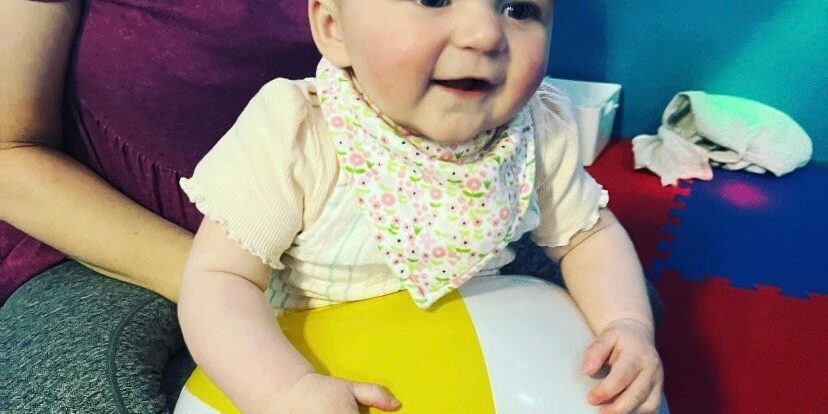
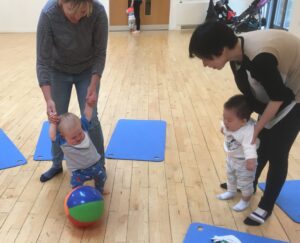
Key Themes of the Beach Ball Activity: Central to the Baby College football game is the beach ball activity, serving as a versatile tool for developmental enhancement. Here, we highlight six key themes:
- Anticipation: Toddlers learn to predict the movement of the beach ball towards them, honing their ability to anticipate when it’s their turn to engage with it.
- Body Awareness: Feeling the beach ball against various parts of their body fosters an understanding of how their movements affect the ball, aiding in body coordination and spatial orientation.
- Concentration: Engaging with the beach ball requires toddlers to maintain focus, enhancing their attention span—a valuable skill for sports participation.
- Depth Perception: By engaging with objects at varying distances, toddlers develop depth perception, which is crucial for accurately judging distances and spatial relationships in sports.
- Visual Tracking: Following the movement of the beach ball enhances toddlers’ visual tracking abilities, which are essential for tracking moving objects—like balls or opponents—in sports settings.
- Peripheral Vision: Participating in activities like the beach ball game can help toddlers develop their peripheral vision, which is important for maintaining awareness of their surroundings and teammates during sports.
A Glimpse into the Elite: Studies have shown that top footballers possess a wider field of peripheral vision compared to ordinary individuals. This heightened visual awareness enables them to anticipate their opponents’ moves, spot open teammates, and make split-second decisions on the field—all crucial elements for success in competitive sports.
Building the Foundation for Future Success: The Baby College football game lays the groundwork for future athletic achievements by nurturing visual and motor skills early on. By developing these fundamental skills, children gain a solid foundation that can benefit them across different sports as they grow.
Encouraging Continued Growth: Beyond the Baby College football game, parents can support their child’s development by encouraging participation in various physical activities that challenge their skills. Providing opportunities for sports engagement that promote coordination, agility, and teamwork is key. And, importantly, offering patience and encouragement as they navigate their learning journey is essential.
Conclusion: The early years of childhood are pivotal for laying the groundwork for future success, including in sports. By incorporating simple visual exercises like those in the Baby College football game, parents can help their children develop skills that are invaluable both in sports and in life. Let’s embrace the power of play and equip our little ones with the tools they need to shine as future sports stars.
Find out more
Come along together and have fun and learn games and activities that promote all the topics covered in our articles. Find a class near you here


